
History & the McGregor Heritage Society
Table of Contents
Discover McGregor: History, Heritage & Preservation
Nestled at the foot of the Riviersonderend Mountains and the historic Boesmanskloof trail, McGregor is widely recognized as one of the best-preserved 19th-century agricultural villages in South Africa. Its unique sense of place stems not only from its historic architecture, but also from its enduring rural routines, open irrigation channels, and a vibrant local community dedicated to inclusive historical storytelling.
The History of McGregor
Origins & Early Settlement
Established in 1861 on the farm Langefontein, the village was originally named Lady Grey. It was renamed "McGregor" in 1905 in honor of the Reverend Andrew McGregor, who served the local Dutch Reformed congregation for over forty years. Positioned away from main transit highways, McGregor’s geographic isolation allowed its original grid-layout town planning, large agricultural plots (erven), and traditional architecture to survive intact into the modern era.
Architectural Significance & Historical Recognition
In their seminal work Old Buildings of the Cape, renowned architectural historians Hans Fransen and Mary Cook described McGregor as "the best preserved and most complete example of mid-nineteenth century townscape in the Western Cape Province."
This rich cultural landscape encompasses several distinct architectural styles:
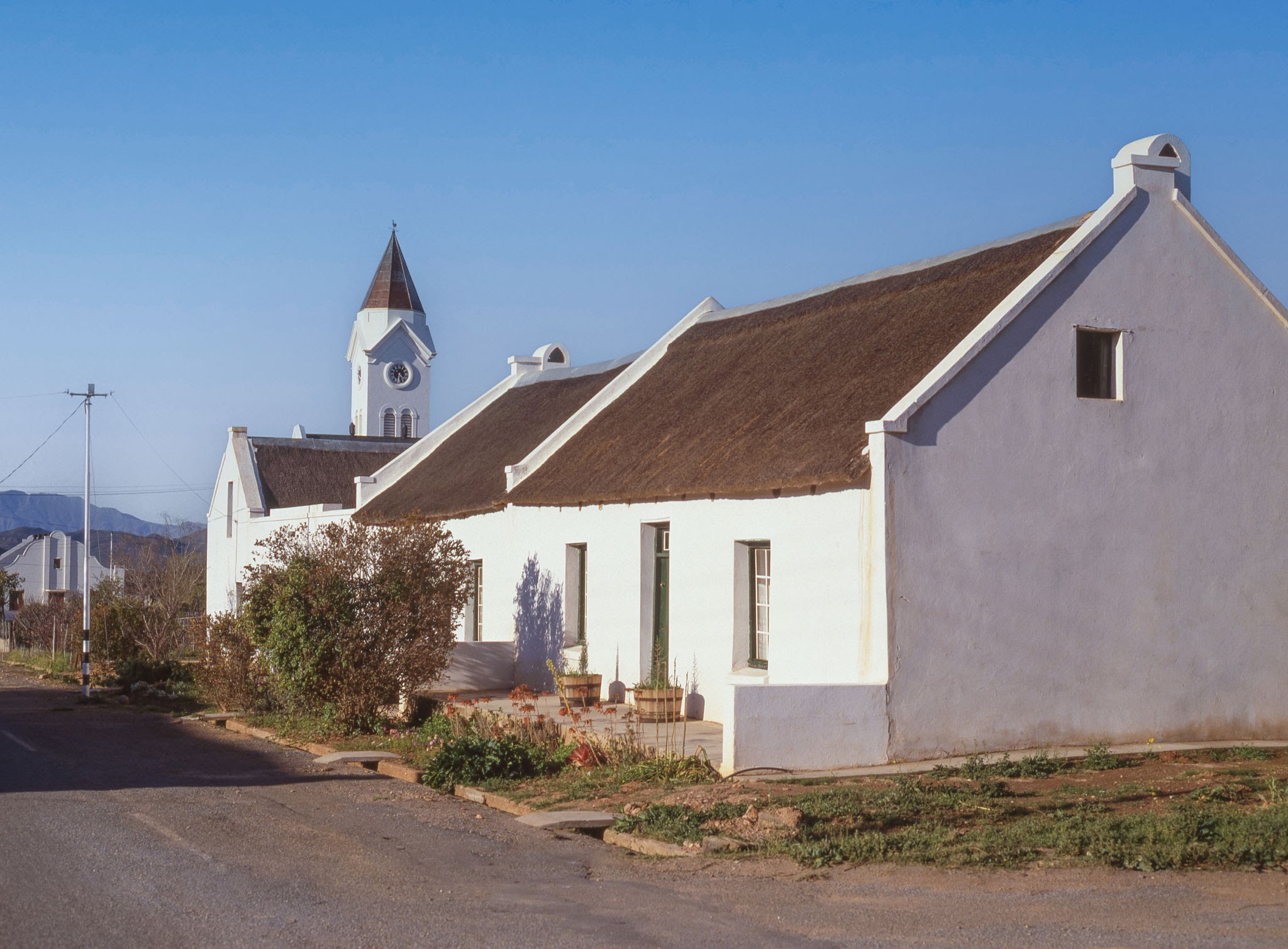
- Cape Vernacular (Thatch Roof): Characterized by thick whitewashed walls built from local clay or stone, deep-set small-paned windows, and steep thatch roofs terminating in simple gables. A regional survey identified at least 65 historical homesteads and vernacular structures within the village.
- Karoo Vernacular (Flat Roof & Corrugated Iron): Simpler, unadorned dwellings with flat or low-pitched corrugated iron roofs, often featuring decorative straight parapets along the street façade.
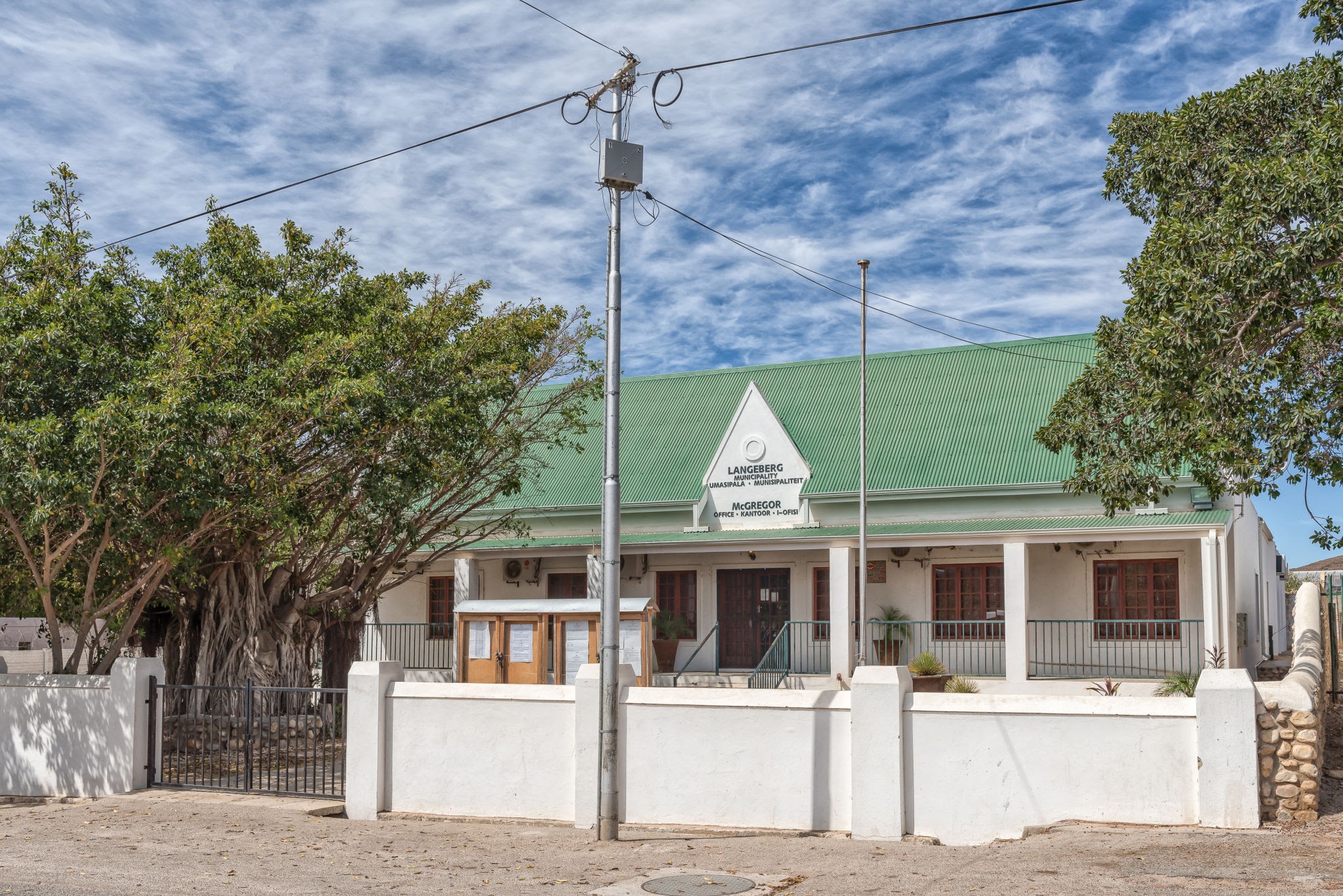
- Georgian & Victorian Architecture: Highlighted in the landmark 1996 Todeschini & Japha Conservation Study for its significant contribution to the town's elegant 19th-century streetscapes.
The Leiwater Irrigation Legacy
Running throughout the town’s street grid is the historic leiwater system—an open furrow network fed by mountain streams. Historically, water was allocated to residential plots on a scheduled rotation, allowing homeowners to cultivate fruit orchards, grapevines, and vegetable gardens. This system remains central to the town's spatial character, supporting large, lush backyards and sustainable small-scale urban agriculture.
Inclusive History & Re-Curated Museum
McGregor's history encompasses a diverse tapestry of people, including farmworkers, artisans, stone masons, and local families whose stories were historically marginalized during the apartheid era. The McGregor Museum underwent a major re-curation initiative in 2025 to move beyond Eurocentric historical narratives. Today, the museum showcases a comprehensive, dynamic history celebrating the voices, social clubs, church institutions, and musical traditions (such as the historic McGregor Brass Band) of all who shaped the village.
The McGregor Heritage Society / Erfenisvereniging
Established in 1995, the McGregor Heritage Society (MHS) / Erfenisvereniging is an independent, non-profit organisation (NPO 097-978-NPO) and official conservation body registered with Heritage Western Cape (HWC/RCB/09/05).
The Society operates to ensure that McGregor maintains its charm, dignity, tranquility, and historical significance in both architectural and social terms—guiding development so that new designs integrate harmoniously with the existing landscape.
Key Responsibilities & Community Roles
- Architectural & Heritage Assessment: Offering technical guidance and issuing formal comments on building proposals for properties older than 60 years or located in sensitive heritage zones.
- Museum & Cultural Custodianship: Overseeing the McGregor Museum through an active museum working group, curating historical records, and leading oral history projects.
- Environmental & Open Space Management: Serving as custodians of the Krantz Nature Reserve, a protected natural open space overlooking the village featuring walking trails, botanical diversity, and archaeological value.
- Plaque & Walk Initiatives: Installing official heritage recognition plaques on historic buildings and maintaining self-guided village walk routes.
- Community Engagement: Hosting the annual winter Heritage Dinner—bringing the community together through traditional regional cooking and historical talks—and assisting local residents with low-cost restoration advice.
Planning & Building Compliance in McGregor
To safeguard the town's unique visual character, property owners, buyers, and builders must follow clear approval procedures depending on the age and nature of the structure.
| Property Category | Regulatory Authority | Required Approval Step |
|---|---|---|
| Structures Older than 60 Years | Heritage Western Cape (HWC) & McGregor Heritage Society (MHS) | Must obtain an official HWC Permit (supported by MHS comments) before submitting plans to the municipality. |
| Structures Under 60 Years & New Builds | Langeberg Municipality & McGregor Aesthetics Committee (MAC) | Plans submitted to the municipality are circulated to the MAC for aesthetic review against local design guidelines. |
Core Conservation Principles
- Like-for-Like Restoration: Original materials, timber windows, and plaster finishes should be repaired rather than replaced whenever possible.
- Authentic Materials: Avoid faux or imitation historical finishes (such as artificial stone cladding or non-authentic decorative moldings).
- Honest Modern Insertion: Contemporary extensions should be designed as distinct, sensitive modern additions rather than historic replicas (pastiche).
Resources & Downloadable Guides
The McGregor Heritage Society provides downloadable PDF booklets to assist property owners, architects, and visitors:
- McGregor Building Guidelines: A comprehensive manual detailing design indicators, proportions, roof pitches, and structural boundaries suitable for the village context.
- McGregor Recommended Paint Colours: A curated palette of traditional exterior paint tones designed to preserve streetscape harmony.
- Concise Building Plan Application Guidelines: A clear flowchart breaking down the multi-step application process across the MHS, HWC, and Langeberg Municipality.
- Historic Village Walk Maps: Self-guided walking maps detailing the architectural significance and histories of key village properties.
Access Documents: Download official PDF publications directly from the McGregor Heritage Society Downloads Page.
Contact & Society Information
For queries regarding building plan assessments, historical research, museum visits, or joining as a voluntary member, contact the society directly:
- Email: mcgregorheritagesociety@gmail.com
- Official Website: www.mcgregorheritage.com
- Social Channels: Instagram (@HeritageMcGregor) | Facebook (McGregor Heritage Society)